By now, you may be wondering why I named my Regency fantasy “The Solitary Rose.” In part, the title is an allusion to the rose that plays an important part in the traditional version of “The Beauty and the Beast.” But it’s also a reference to female lead Emma Ainsworth, a recluse who loves roses. Roses only show up only a couple of times in the story, but they’re symbolically important.
Which brings us to today’s post about the meaning of flowers! As you probably know, there are traditional meanings assigned to many of the common flowers in Anglo-American culture. The link above takes you to a list based on Victorian culture, which occurs a little later than the events of The Solitary Rose (set in 1814). But some of those meanings undoubtedly go back earlier than the Victorian period.
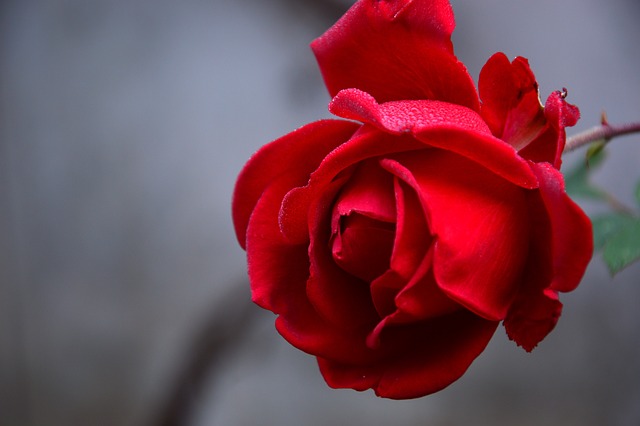
As you may know, there are also traditional flowers for each birth month, similar to the more commonly used birthstones. You can find your birth month flower here! For example, I was born in January, so my birth month flower is either the carnation or the snowdrop, depending on which tradition you follow. The meaning of carnations changes based on the color of the flower. The same is true of roses! The red rose on the cover of my novel means “I love you” and stands for romance.
In the comments, pick a flower —either a favorite flower or your birthmonth flower— and tell us what it means!

 Anne Rollins Romance
Leave a comment