Not all Regency romances include aristocratic characters, but writing about the nobility is a long-standing tradition in this subgenre. Many historical romance fans enjoy reading about the elevated society of dukes, marquesses, and earls, even if we are unlikely to ever socialize with members of the peerage.
In this post, I’m not going to cover the fine points of how to address nobles, their spouses, or their children. There are a lot of rules involved, but fortunately, there are plenty of resources online. Instead, I’m going to offer a few tips for writers trying to create fictional titles for aristocratic characters. In a way, this post serves as a follow-up to my post about naming Regency characters. Note that what I say below applies to the British aristocracy only; other countries may have other customs.
To start with, I agree with other writers that it’s best to avoid using real titles for your original characters. Using real titles extant in the Regency period may create confusion: if you write about a character named “Lord Spencer,” your readers may wonder if you’re referring to the actual Spencer family or a fictional one. I’ve also heard that living members of the aristocracy can sometimes be touchy about seeing their titles used in fiction, though I can’t confirm this from my own experience.
(Confession: I messed up on this point in my Beau Monde Secrets series. Some of the characters in the series are the children of the “Marquis of Reading.” Though there was no Marquess of Reading in the Regency period, there is one now: the title was created in the twentieth century. If I were writing that book today, I wouldn’t use that title, because I don’t want the current Marquess of Reading or his relatives to feel their title is being misused or disrespected.)
So, if you can’t use existing titles, how do you find plausible-sounding titles for your fictional lords and ladies? One solution is to use old, long-extinct titles. For example, there was a Duke of Exeter in the Middle Ages, but that title became extinct long before the Georgian, Regency, or Victorian eras. There’s no danger of confusing your fictional Duke of Exeter with a real nineteenth-century Britobm and there’s no living Duke of Exeter to object, so that’s a pretty safe option. If you want to take that route, you can find lists of extinct British titles on Wikipedia.
What if you want to make up a title that’s never been used? The first thing you should know is that members of the upper aristocracy —earls, marquesses, and dukes— usually have titles based on a location. The titles of dukedoms sometimes refer to traditional counties (i.e. Duke of Norfolk), but other dukedoms are based on town or city names (i.e. the Duke of Bedford).
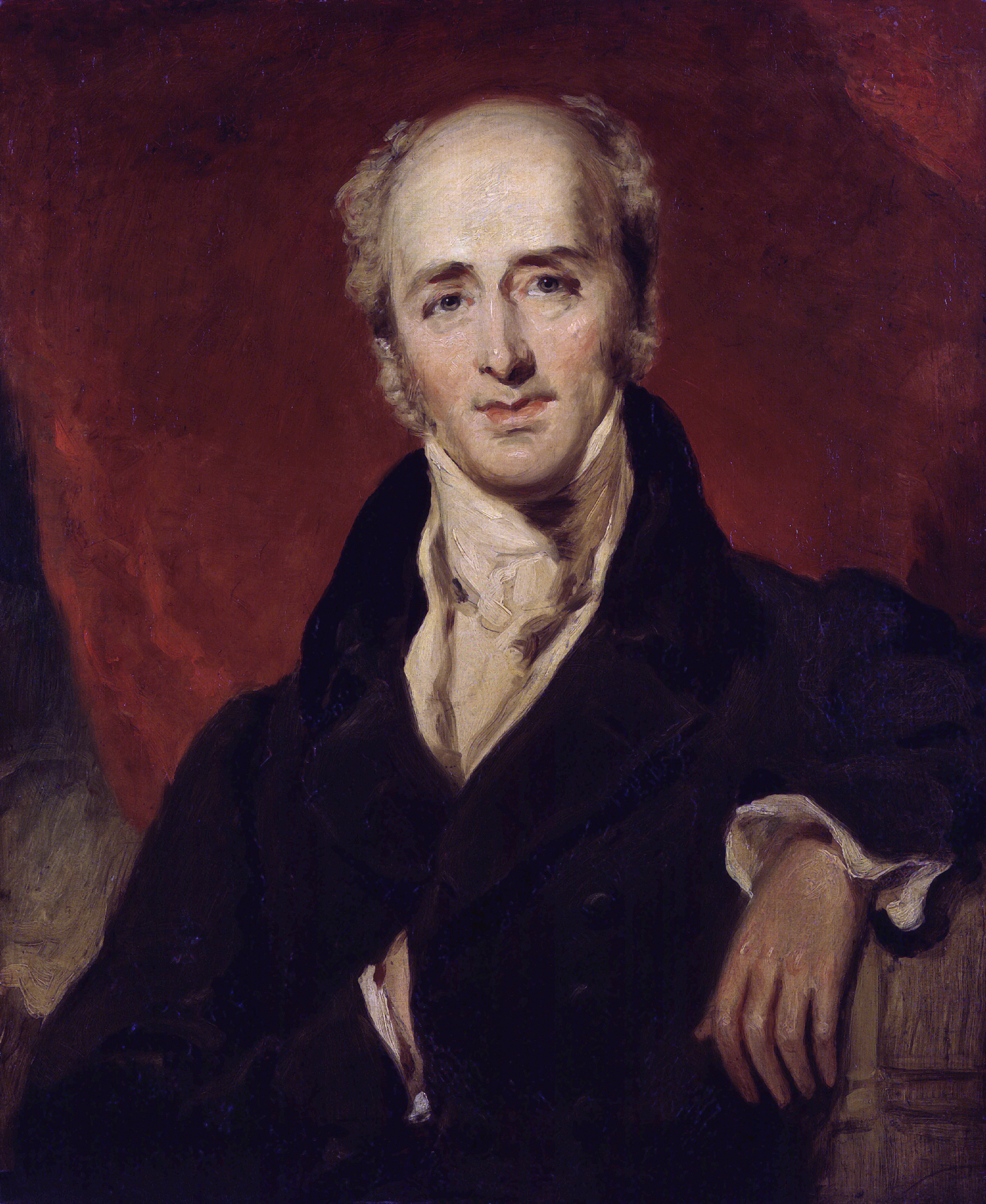
Though it’s less common, there are a few earldoms that use family names like “Spencer” or “Grey.” For example, Charles Grey, for whom Captain Picard’s favorite tea is named, can be referred to as “Earl Grey.”
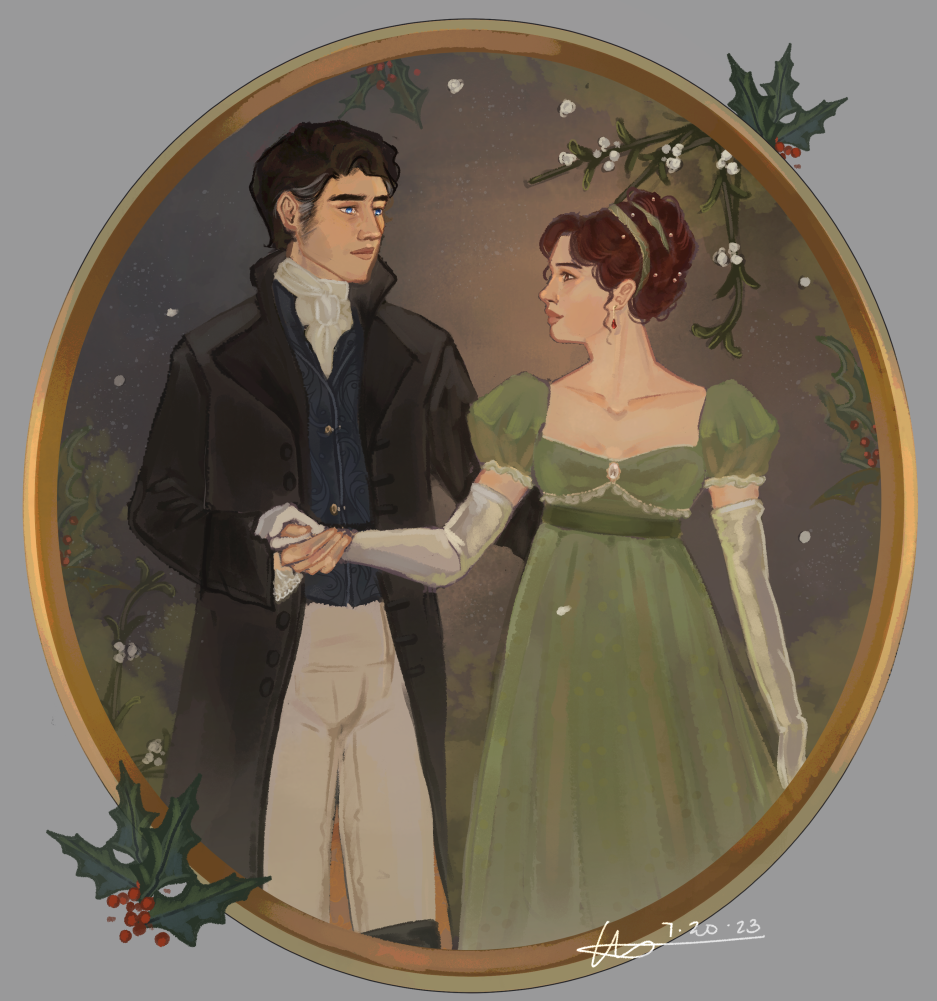
More often, an earl’s title is seperate from his surname, and it traditionally refers to a location. To use an example from my own writing, the male lead in Secrets at Selwyn Castle is named Richard Selwyn and his title is “Earl of Inglewhite.” Other characters in the novel might refer to Richard as “Lord Inglewhite” or “the Earl of Inglewhite,” but they would not call him “Earl Inglewhite,” since Inglewhite is a location rather than his name. (If you find this confusing, you’re not alone! Lots of writers struggle with titles.)
How did I come up with “Inglewhite”? Simple: I looked at a map! “Inglewhite” is the name of a village in Lancashire. Using the name of an existing city, town, or village is a time-honored method for creating fictional titles. You can find examples in both classic Regencies and newer books.
Using existing place names can help you find realistic-sounding titles. You do, of course, have to double-check that the location you’ve chosen isn’t already in use as a title. But that still leaves hundreds of locations to pick from.
So, that covers dukes, marquesses, and earls. What about barons and viscounts? The titles of the lower nobility are often (but not always) surnames. In the Victorian period, poet laureate Alfred Tennyson was elevated to the peerage, becoming “Baron Tennyson.” Similarly, in my book Garden Folly Magic, the female lead is the granddaughter of a baron. Her surname, “Kellway,” is also her grandfather’s title. He might be referred to as “Baron Kellway,” but he wouldn’t be called “the Baron of Kellway.” His title is based on a surname rather than a location.
Here’s a tip for writing characters from the lower aristocracy: if there’s a surname you like that’s already in use as a title, try looking for variants or names with similar sound qualities. For example, “Baron Vernon” is an existing title, but there’s no real-life “Baron Vernum.” Alternatively, if you like the sound of “Vernon,” you might also like “Vinning” or “Varney.” I find The Oxford Dictionary of English Surnames to be really useful for looking up such alternatives, but you can find lists of British surnames online, too.
If you know other tips for inventing fictional titles, feel free to share them in the comments!

 Anne Rollins Romance
Leave a comment